
Subtle Swallowing and Communication Changes Families Often Notice During the Holidays

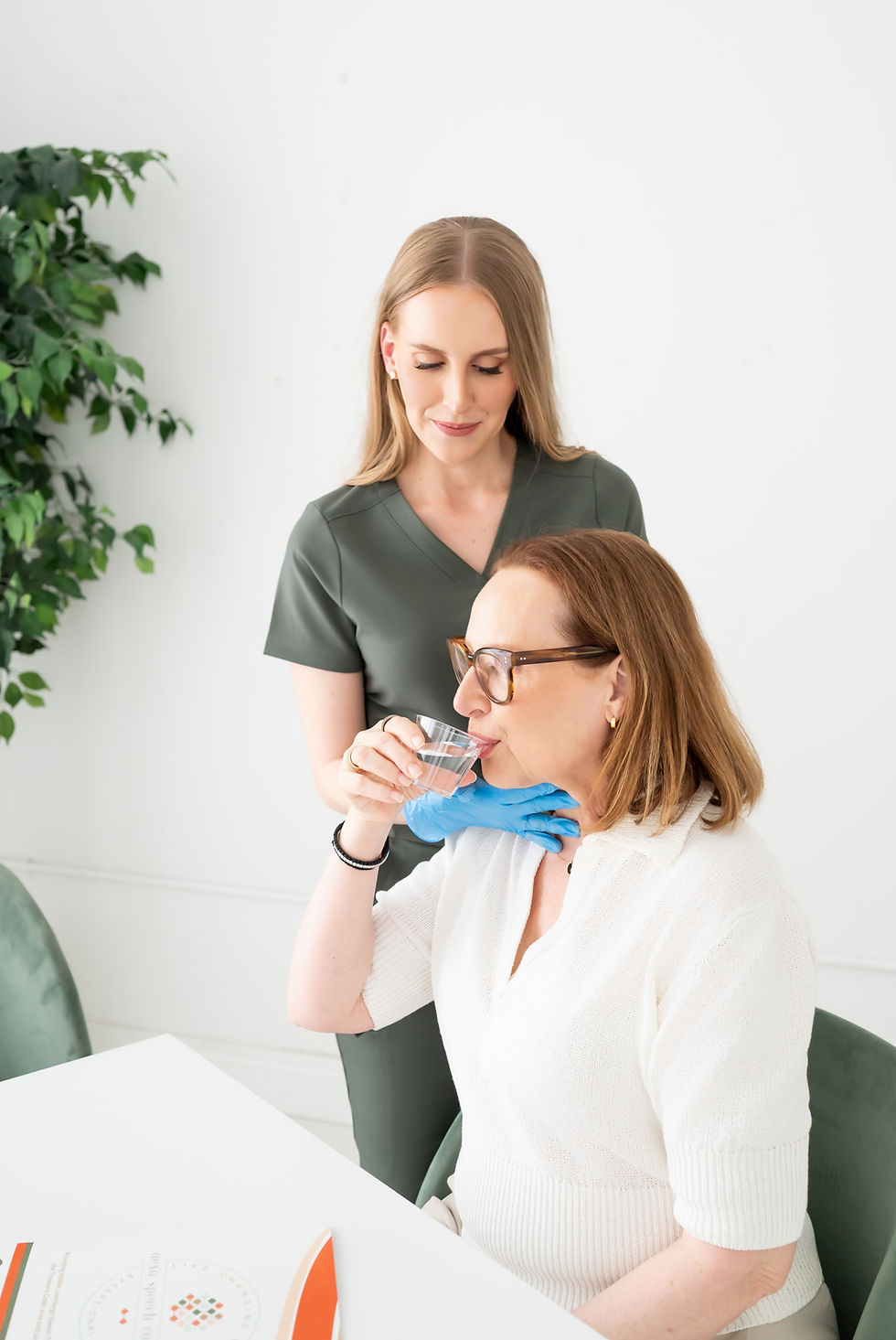
The holiday season brings families together for longer stretches than usual. This extra time together often reveals small changes in a loved one’s swallowing or communication that might go unnoticed during brief visits. Shared meals, lively conversations, and shifts in daily routines can highlight subtle difficulties. Recognizing these early signs dysphagia and speech therapy red flags adults experience during festive gatherings can help families support their loved ones better.

Why Holiday Gatherings Reveal Changes
During the holidays, routines change, and social demands increase. Families spend more time eating together, often with foods that are harder to manage. Group conversations become louder and faster, making it tougher for some to keep up. Travel, disrupted sleep, and extra socializing can cause fatigue, which affects both swallowing and communication.
These factors combine to make subtle changes more noticeable. What might seem like minor coughing or occasional word-finding trouble could be early signs dysphagia or speech therapy red flags adults face. Paying attention to these signals during holiday meals and conversations can provide valuable insight.
Common Holiday Health Warning Signs Related to Swallowing
Holiday meals often include dry meats, breads, mixed textures, desserts, and alcohol. These foods can be challenging for people with swallowing difficulties. Families may notice:
Coughing or throat clearing during meals
Needing frequent sips of liquid to swallow food
Longer meal times than usual
Changes in voice quality after eating, such as a wet or gurgly sound
These signs may seem minor but can indicate changes in swallowing safety or efficiency. For example, coughing during meals might mean food is entering the airway instead of the esophagus, which can lead to choking or pneumonia if untreated.
Communication Changes That Stand Out
Holiday conversations often happen in groups with background noise and quick exchanges. This environment can reveal communication challenges such as:
Difficulty finding the right words
Reduced clarity of speech
Withdrawal from conversations
Fatigue worsens these issues. A loved one who usually participates actively might become quiet or frustrated. These are important speech therapy red flags adults and their families should notice.
Other Factors Affecting Swallowing and Communication
Winter illnesses like colds or flu can temporarily worsen swallowing and speech. Dehydration, common in colder months, thickens saliva and makes swallowing harder. Changes in medication schedules during holidays may also affect muscle control or alertness.
Some changes improve once routines return to normal, but others persist. Persistent signs require evaluation by a healthcare professional to ensure safety and quality of life.

What Families Can Do
Awareness is the first step. Families can support their loved ones by:
Observing meals closely for coughing, throat clearing, or voice changes
Noticing if meals take longer or if the person avoids certain foods
Paying attention to speech clarity and participation in conversations
Encouraging rest and hydration during busy holiday schedules
Consulting a speech therapist or doctor if early signs dysphagia or speech therapy red flags adults show continue
Early evaluation can prevent complications and improve comfort.
Practical Tips for Holiday Meals
Offer softer, moist foods that are easier to swallow
Avoid dry, crumbly, or mixed texture dishes that can cause choking
Encourage small bites and slow eating
Provide plenty of liquids to help with swallowing
Create a calm dining environment with minimal distractions
These adjustments help loved ones enjoy holiday meals safely.
Supporting Communication During Festive Gatherings
Speak clearly and at a moderate pace
Give your loved one time to respond without rushing
Reduce background noise when possible
Include them in smaller group conversations
Be patient and encouraging
These steps make socializing less stressful and more enjoyable.

When to Seek Professional Help
If you notice persistent coughing during meals, wet or gurgly voice, frequent choking, or withdrawal from conversation, these holiday health warning signs deserve attention. Early signs dysphagia and speech therapy red flags adults show should prompt a visit to a speech-language pathologist or healthcare provider.
Early intervention can improve swallowing safety, communication skills, and overall quality of life.
At Nexa Speech Concierge, we recognize that subtle changes in swallowing and communication often become more noticeable during the holidays, when routines shift and families spend more time together. Our licensed speech-language pathologists provide personalized, in-home and telehealth services to support swallowing safety, communication clarity, and overall quality of life. We proudly serve adults across Palm Beach, Broward, Miami-Dade, Martin, St. Lucie, Okeechobee, and Indian River Counties—bringing thoughtful, expert care directly to patients and their families.


Comments